Fractional Technology Leadership | ClingCentral

Skip to content

Fractional technology leadership

Make Technology a Business Advantage—Not an Operational Burden.

I help operationally complex companies reduce technology risk, control IT costs, and get stalled initiatives finished with one accountable owner leading the work end to end.

For owners and operators of multi-location businesses in senior living, real estate, construction, property, professional services, and similar operations.

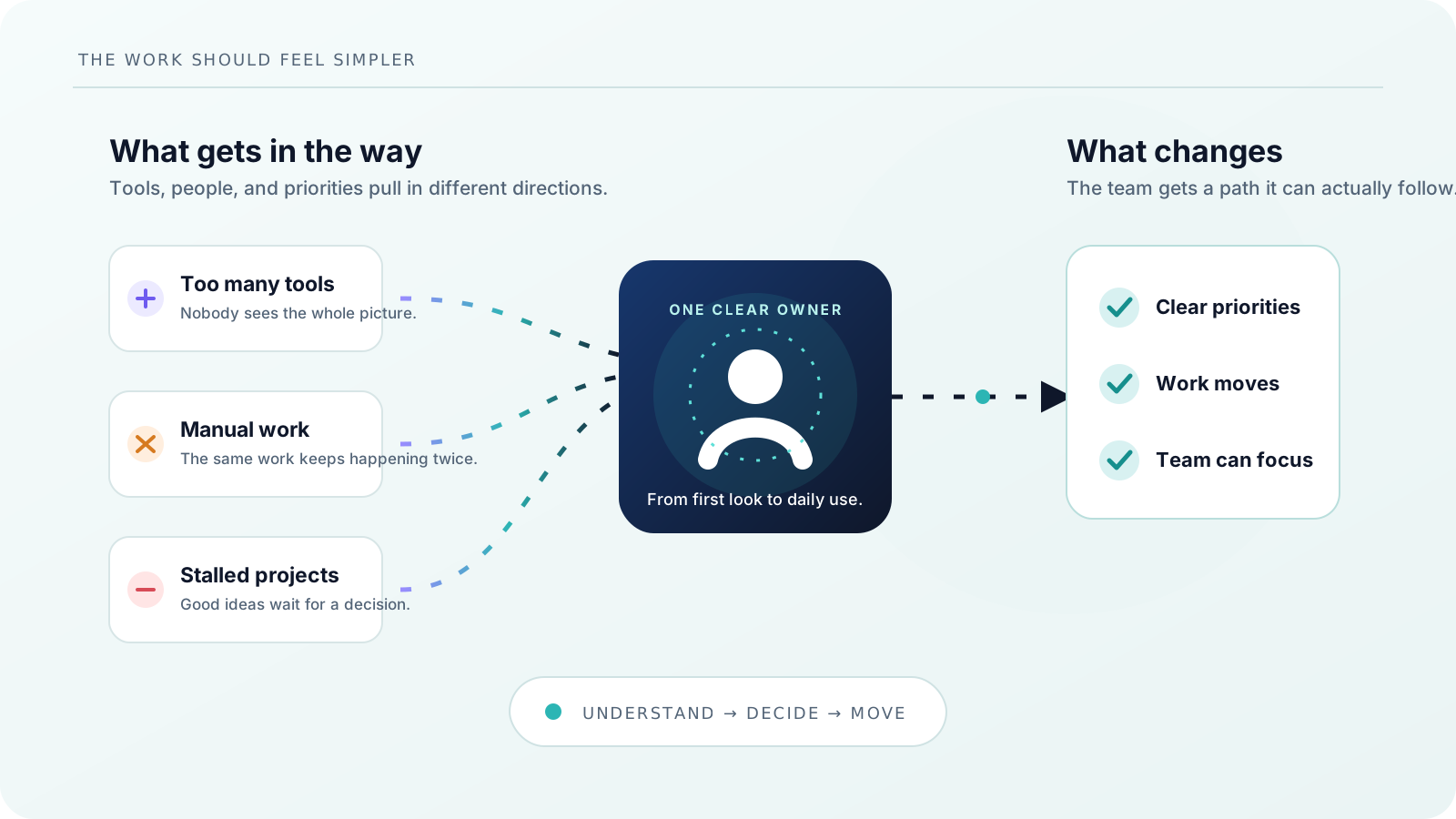
Operational friction becoming accountable execution Three fragmented signals labeled risk, cost, and stalled work converge into one accountable execution path. Hidden risk Uncontrolled cost Stalled work Accountable owner Controlled operating system
Follow the path

01 / Operating problem

Unmanaged technology turns ordinary operations into hidden liability.

Growing companies accumulate spreadsheets, disconnected applications, vendor exceptions, and manual approvals. The work still moves, but ownership becomes hard to see.

The damage usually shows up as risk, cost, and stalled initiatives.

Unowned system Work moves, but accountability is fragmented.

Risk is hidden when process knowledge sits in people, spreadsheets, and vendor exceptions instead of an owned operating model.

02 / Transformation

Friction becomes execution when the path is owned.

ClingCentral is designed around three operating outcomes. They are connected, not interchangeable service promises.

01

Reduce risk

Expose dependencies, document how work runs, and bring unowned systems under control.

02

Control costs

Rationalize tools, vendors, and duplicated effort so spend maps to operational value.

03

Finish the work

Carry complex initiatives from diagnosis to deployed result with one accountable lead.

03 / Audience

Built for operators carrying complexity, not for teams shopping for another tool.

The fit is an owner or operator who needs senior technology judgment, but not a full-time executive, and cannot hand the work to a generic vendor.

Senior judgment without a full-time executive
  • Multi-location operations
  • Disconnected systems
  • Vendor and tool sprawl
  • Work that needs ownership

Examples include senior living, real estate, property operations, construction, professional services, and similar complex operations.

04 / Accountability difference

One person accountable for the outcome, not just the advice.

Consultants

Recommendations

Developers

Build tickets

Vendors

Product scope

ClingCentral Diagnosis -> decision -> delivery -> adoption -> result

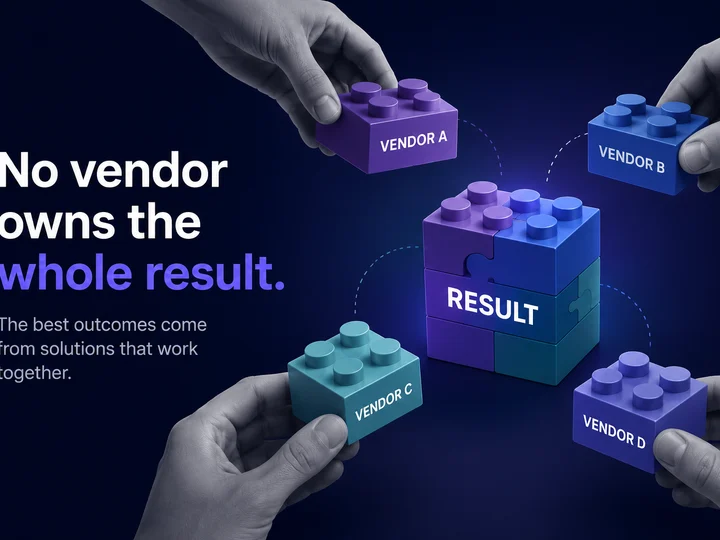
Consultants often stop at recommendations. Developers build what they are told. Vendors focus on their product. None of those roles owns whether the problem is actually solved.

I do.

Dallas leads diagnosis, decisions, and accountability. The team provides execution capacity for build, integration, rollout, and adoption.

05 / Capabilities

An integrated delivery system, not a catalog of disconnected services.

The method changes with the problem. The target stays disciplined: lower risk, controlled cost, or completed work.

01 Technology leadership and strategy

Senior judgment on priorities, vendors, operating risk, and build, buy, or integrate decisions.

Risk Cost Execution
02 Workflow and process automation

Replace fragile manual handoffs with controlled workflows that are visible, repeatable, and owned.

Cost Execution
03 Systems integration

Connect the tools, data, and teams that currently force duplicate work or unclear ownership.

Risk Cost
04 Custom software development

Build or lead the build when off-the-shelf systems cannot support the way the operation works.

Execution
05 Practical AI

Use AI where it improves decisions or reduces manual drag, with boundaries, ownership, and review.

Risk Execution
06 Operational data and reporting

Turn scattered activity into reliable visibility for owners, operators, and accountable leaders.

Risk Cost

06 / Process

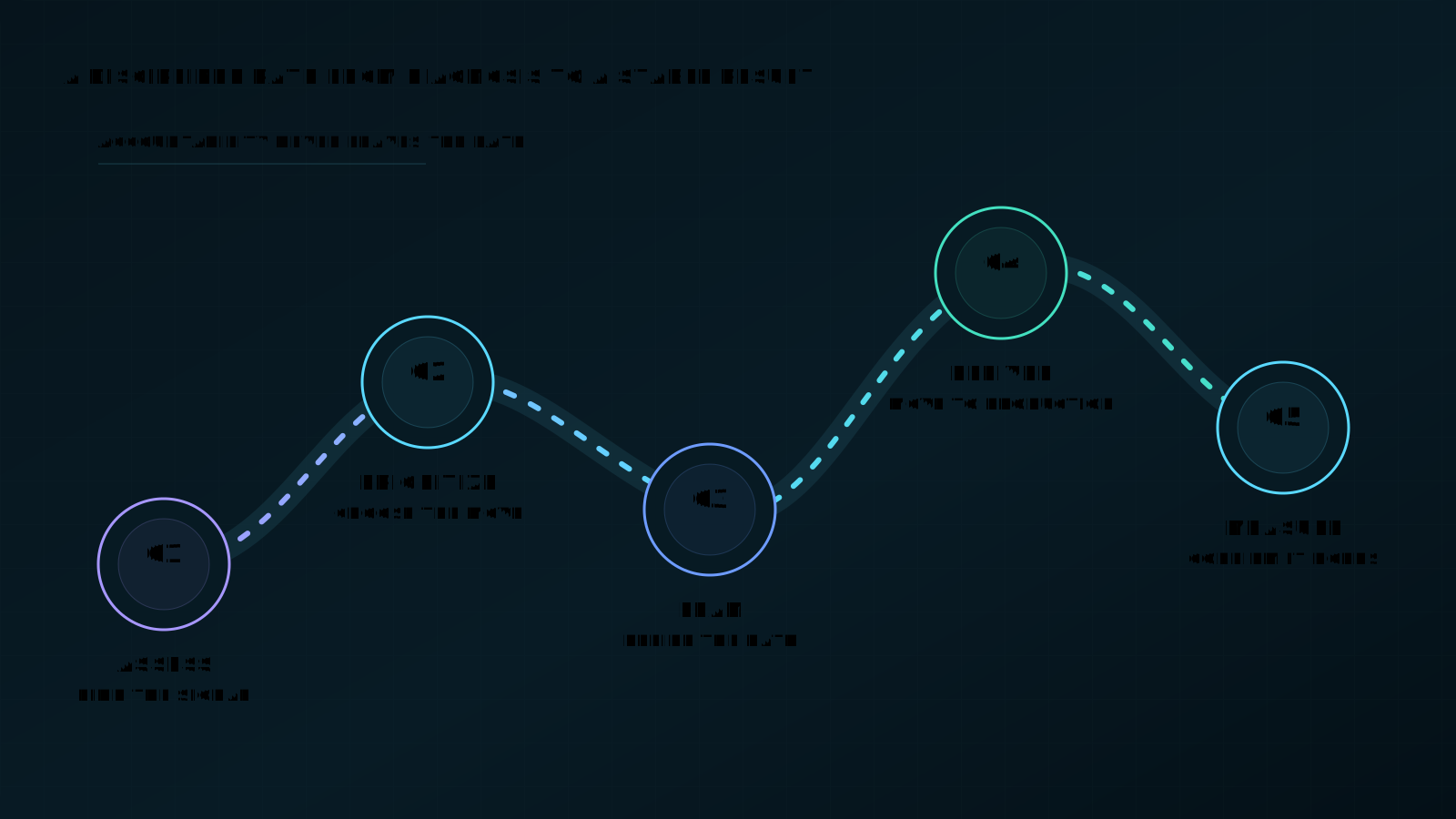
A native path from diagnosis to a stable result.

01

Assess

Find the risk, cost, and stalled work hiding inside the operation.

02

Prioritize

Choose the highest-value moves and avoid solving symptoms before ownership is clear.

03

Plan

Define the operating model, decision points, technical path, and adoption plan.

04

Deliver

Build, integrate, coordinate vendors, and move the work into production.

05

Measure

Confirm the result holds: visible risk, controlled spending, and completed work.

07 / Operating result

The end state is not more software. It is a clearer operating model.

Before
  • Hidden risk
  • Unclear spending
  • Fragmented ownership
  • Stalled work
  • Key-person dependency
After
  • Visible risk
  • Controlled spending
  • Clear ownership
  • Completed work
  • Reduced dependency
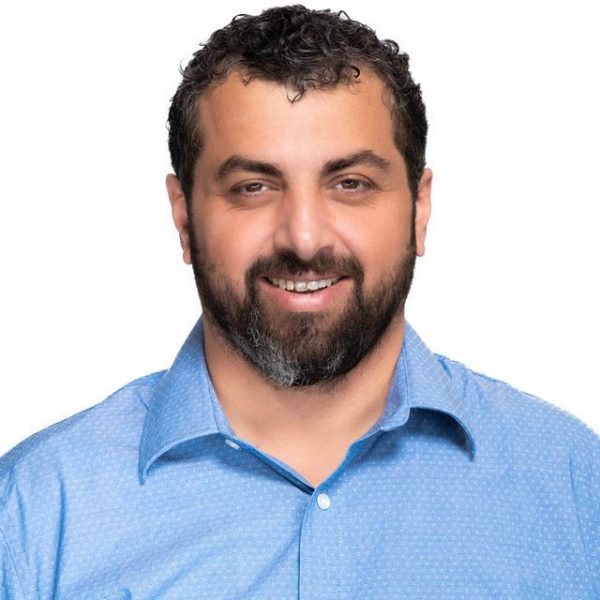
Dallas Behling, founder of ClingCentral
Dallas Behling / Founder

08 / Founder-led

The person who owns the result is the person you talk to.

Dallas personally leads the diagnosis, the decisions, and the accountability for the outcome. The team supplies the execution capacity for build, integration, rollout, and adoption.

That structure is deliberate: senior ownership stays close to the operational result.

[email protected]

09 / Conversation

Where is technology costing you the most right now?

Start with the risk, cost, or stalled initiative creating pressure. The next step is a practical conversation about what is happening and what a reliable result would look like.

[email protected]

Open Blank Email